
Relocating Within Europe: How to Choose Faster
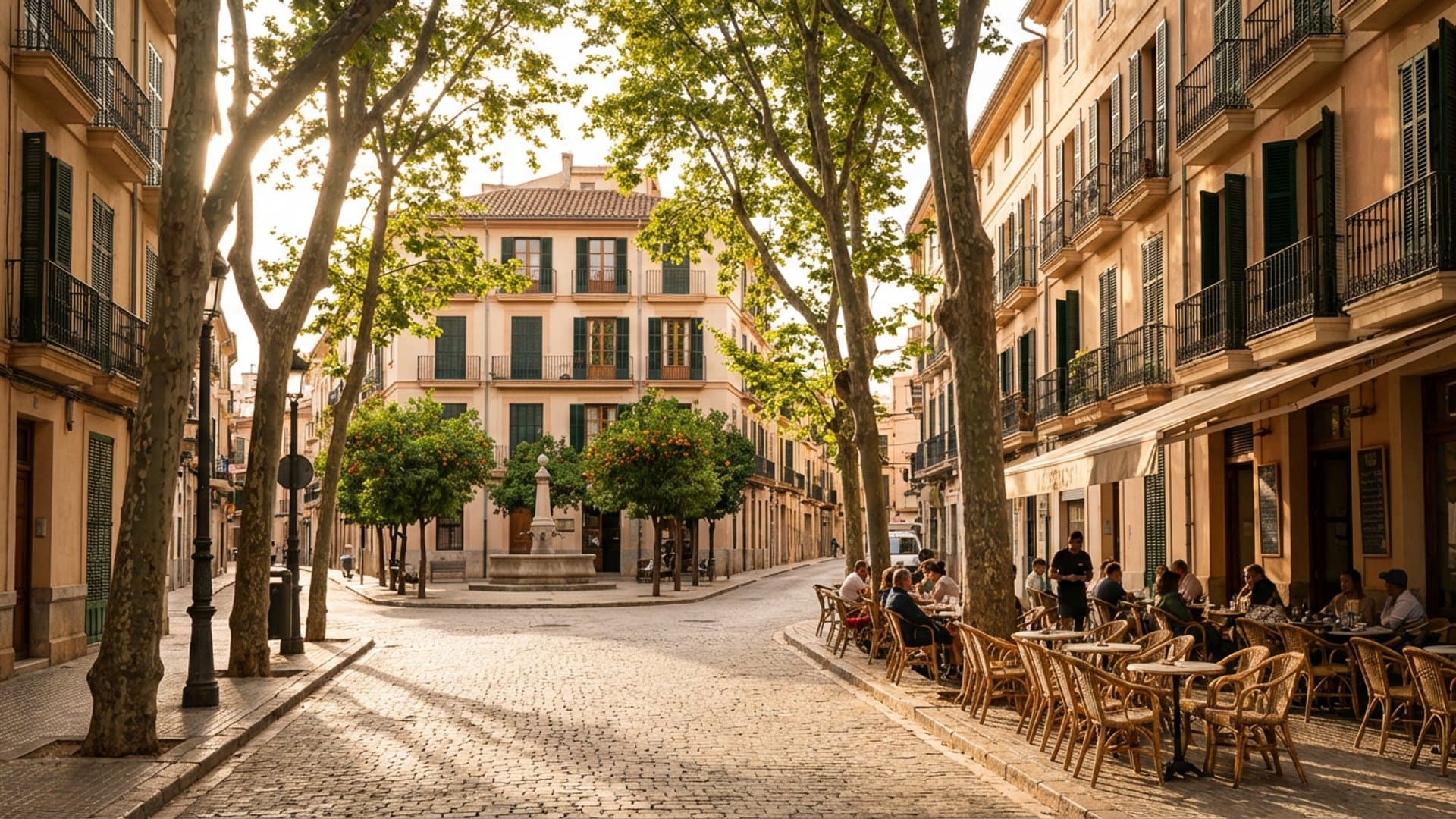
If you're moving from elsewhere in Europe or the UK, you probably already have a frame of reference for Mediterranean living. You may have visited Málaga, or spent time in cities with a similar feel. That head start is real — it means you can often skip the "is this the right country?" phase and focus on the more practical questions: which neighborhood, what kind of property, and how does the process work.
The advantage of proximity also shows up in logistics. Short flights for viewings. Easier movement of belongings. A time zone that stays close to home. These things make the transition smoother in ways that add up.
Where European and UK buyers sometimes get stuck is in the details. The Spanish property market has its own conventions — reservation agreements, notary involvement, NIE requirements — and even experienced buyers from other EU countries find things they didn't expect. The buying guide for EU and UK buyers walks through the process so you know what's different before you start.
For a broader look at planning your move, the relocation hub links to guides for different situations — couples, families, remote workers, second-home buyers, and more.
Note: For specific questions about residency, taxes, or legal requirements, always verify with a qualified professional. Post-Brexit rules for UK nationals differ from EU citizens. This guide provides general orientation, not legal advice.
What You May Be Weighing Up
Most European and UK buyers arrive at the same set of tradeoffs when narrowing their search in Málaga.
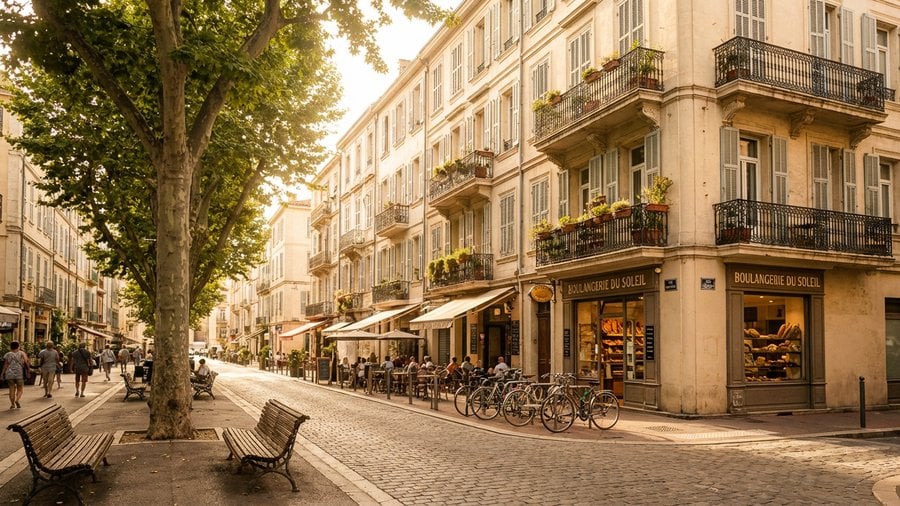
Walkability vs. space. The historic center puts everything at your doorstep — cafés, markets, cultural life — but apartments tend to be smaller and older. Move further out and you get larger layouts, newer builds, and more quiet, but the walk-everywhere lifestyle changes. This isn't a right-or-wrong choice. It's about knowing what you'll value more once the novelty fades and daily routine takes over.
City energy vs. calm. Some buyers want the hum of a neighborhood that's alive at all hours. Others want to close the door and feel like they've left the city behind. Málaga offers both, sometimes just a few blocks apart — but you need to know where to look.
Renovation vs. move-in ready. Older properties in Centro Histórico and parts of Soho often have character and charm, but they may need updating. Newer builds in Teatinos are typically move-in ready with modern finishes. Your appetite for renovation shapes the shortlist more than most people expect.
Primary home vs. part-time base. If you're splitting time between Málaga and another city, your priorities shift — security, low-maintenance layouts, proximity to transport. If Málaga is becoming your full-time home, everyday livability matters more than convenience for occasional visits.
Denise helps you sort through these tradeoffs early so you're not second-guessing every listing. That clarity is the fastest way to narrow your search.
How Denise Helps EU and UK Buyers
Denise Guerrero relocated to Málaga herself, so she understands the transition from the inside. She works with European and British buyers at every stage — from an early conversation about what you're looking for to keys in hand.
Defining your criteria. Your first conversation with Denise is about your priorities: neighborhood feel, budget, size, lifestyle, and timeline. She asks the questions that help you figure out what actually matters versus what just sounds appealing — and she's honest when the two don't align.
Building a shortlist. Based on what you tell her, Denise puts together a focused selection of properties. Each one comes with context — not just square meters and asking price, but what the building is like to live in, what the street feels like at different times of day, and whether the price makes sense for the area. You can also explore the listings on your own anytime.
Organizing viewings. When you're ready to visit, Denise plans your viewing days to be efficient without being exhausting. Most buyers find three to five days works well. She builds in time between appointments so you can process what you've seen and ask questions while the details are fresh.
Walking you through the process. Buying in Spain involves specific steps — some familiar if you've purchased elsewhere in Europe, some not. Denise explains the key stages at a high level and connects you with legal and financial professionals who handle the details. The buying guide for EU and UK buyers is a good companion if you want to read ahead.
Neighborhood Fit: Centro vs. Soho vs. Teatinos
The right neighborhood depends on how you want your daily life to feel. Denise focuses on three areas that cover a wide range of lifestyles.
Centro Histórico is the historic heart of the city. Narrow pedestrian streets, buildings with character, and a daily rhythm where everything is close. If you've lived in a European city center before, this will feel intuitive — though the Andalusian pace and noise levels have their own personality. Best for buyers who want to be in the thick of things.
Soho sits just south of Centro and has a more relaxed, creative atmosphere. Independent restaurants, galleries, and a mix of long-term residents and newer arrivals. It appeals to buyers from cities like Amsterdam, Barcelona, or London who are drawn to neighborhood character over tourist polish. Quieter than Centro, but still well-connected.
Teatinos is Málaga's modern residential district. Larger apartments, newer construction, and a calmer day-to-day feel. European buyers who've lived in suburban or semi-urban settings often connect with Teatinos — it offers breathing room without leaving the city. Particularly popular with families.
Denise knows these neighborhoods in detail and can help you decide which one fits before you visit. The neighborhood comparison also puts them side by side if you prefer to read first.
Property Types That Fit
What's available in Málaga varies meaningfully by neighborhood.
In Centro Histórico, expect renovated apartments in older buildings — thick walls, high ceilings, sometimes quirky layouts. The charm is real, but so are the limitations (elevators aren't always present, storage can be tight). These properties appeal to buyers who value character and location over modern finishes.
In Soho, you'll find a mix. Some older buildings with renovation potential, some newer construction with a more contemporary feel. It's a neighborhood in transition, which means both opportunity and variety.
In Teatinos, the stock is more uniform — modern apartments with standard layouts, often with parking, storage rooms, and community amenities. If you want move-in ready with no surprises, Teatinos delivers.
Denise matches your preferences to what's actually on the market, so you're not wasting time on properties that don't fit. Browse available listings to get a feel for what's out there right now.
Your Next Step
A short conversation with Denise is the fastest way to get oriented. She'll help you sort your priorities, point you toward the right neighborhood, and build a plan that fits your timeline — whether that's weeks or months away.
Published by Denise Guerrero
FAQ
How is buying property in Spain different from elsewhere in Europe?
The overall structure will feel somewhat familiar — contracts, lawyers, a closing step — but the specifics differ. Spain uses reservation agreements, involves a notary in a distinct role, and requires an NIE number for all buyers. The buying guide for EU and UK buyers explains the process step by step so you can compare it to what you already know.
Has the process changed for UK buyers since Brexit?
Yes. UK nationals are now treated as non-EU citizens for residency and property purposes in Spain. The buying process itself is still open to non-EU buyers, but residency, visa requirements, and some tax considerations are different. For specifics, consult a qualified legal professional — Denise can connect you with one.
Can I do the shortlisting and early research from my current country?
Absolutely. Most of Denise's European and UK clients start remotely. The initial conversations, shortlisting, and question-and-answer phase all happen by email, phone, or video call. Viewings are arranged when you're ready to visit. The moving to Málaga hub has resources for planning the broader transition.
How long should I plan for a viewing trip?
Three to five days gives you enough time to see a curated shortlist and experience each neighborhood at different times of day. Denise organizes viewings with space between appointments, so you won't feel rushed. Browse the listings ahead of your trip to flag properties that interest you.
Which neighborhood suits European buyers best?
It depends on your lifestyle, not your passport. Centro Histórico suits people who want a walkable urban core. Soho appeals to those who want character and a calmer pace. Teatinos works well for families and buyers who prefer modern, spacious apartments. Denise can help you match your priorities to the right area.
Is Málaga a good base for people who split time between two countries?
Yes. Málaga's airport has strong connections across Europe and the UK, which makes part-time living practical. If that's your plan, Denise can prioritize properties that suit a low-maintenance, lock-and-leave lifestyle — things like newer builds with secure buildings, good community management, and proximity to transport.
What if I'm not sure whether to rent first or buy?
That depends on how well you know Málaga. If you've spent time here and have a clear sense of which neighborhood suits you, buying directly can work well. If you're less certain, renting for a few months lets you test your assumptions. Denise can talk through the decision with you based on your situation.
How does Denise help narrow the options without overwhelming me?
She curates. Instead of sending you every property on the market, Denise builds a focused shortlist based on your specific criteria — neighborhood, budget, layout, lifestyle. Each property comes with context so you understand why it made the list. The listings page is available when you want to browse independently, but you don't have to start there.
Do I need to speak Spanish to buy property in Málaga?
No. Denise works in both English and Spanish, and legal professionals who specialize in international transactions typically work in English as well. That said, some official documents will be in Spanish — your lawyer handles the review and translation of anything that requires your signature.
What costs should I be aware of beyond the purchase price?
There are transfer taxes, notary fees, legal fees, and registration costs that add to the headline price. The exact percentages depend on the property and your situation. The buying guide for EU and UK buyers outlines the typical cost structure at a high level — and Denise's recommended legal team can give you a full breakdown before you commit.
Where do I start if I'm still early in the process?
Right here. Read the neighborhood section above, look through the current listings, and reach out to Denise when you're ready for a conversation. There's no commitment required — she regularly works with buyers who are still months away from a decision.
See which neighborhoods match your situation
The quiz takes your priorities as a European relocating within the continent into account and recommends 2-3 neighborhoods.
Recommended next reads
Málaga City vs Costa del Sol
Should you buy in Málaga city or the Costa del Sol? Honest comparison of lifestyle, prices, community, and investment potential. Expert buyer guide.
Where to Buy by Budget
From €130K to €1M+ — find the best Málaga neighborhood for your budget. Every price bracket mapped to specific neighborhoods with honest expectations.
Compare Málaga with other cities
Málaga vs Valencia
Málaga or Valencia? Compare property prices, beach access, cost of living, international community, and lifestyle for buyers choosing between Spain's two coastal cities.
Málaga vs Alicante
Málaga or Alicante? Compare property prices, climate, beach life, and lifestyle for international buyers choosing between Spain's sunniest coastal cities.
Málaga vs Lisbon
Choosing between Málaga and Lisbon? Compare property prices, climate, visa options, culture, and lifestyle for international buyers exploring the Iberian Peninsula.
Practical buying process guides
NIE Number Guide
Everything you need to get your NIE in Spain: where to apply, documents required, costs, and timeline. Essential for buying property in Málaga.
Property Taxes Explained
Every tax you'll pay when buying and owning property in Spain: transfer tax, IBI, non-resident income tax, capital gains, and more. Complete breakdown.
What Happens After Purchase
You bought property in Málaga — now what? Setting up utilities, empadronamiento, insurance, community registration, residency steps, and ongoing obligations.
Daily life in Málaga
Healthcare for Expats
How healthcare works in Spain for expats: public system access, private insurance, English-speaking doctors, and what to do in an emergency. Practical guide.
Cost of Living
What does it actually cost to live in Málaga? Rent, groceries, dining, transport, healthcare, and more. Honest monthly budget breakdown for expats and relocators.