
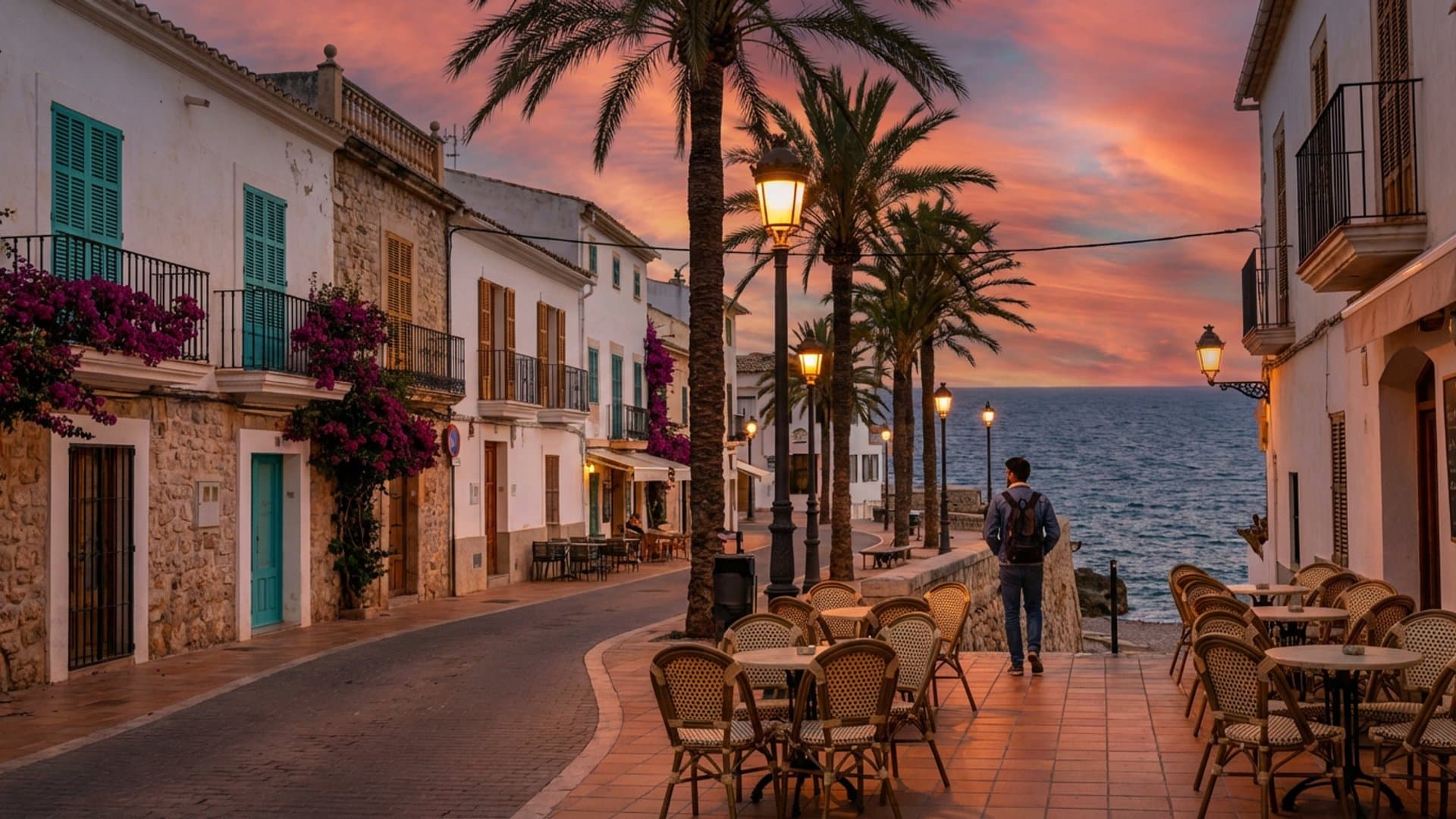
What May Feel Different
If you've only ever bought property in the U.S., the Spanish system will look unfamiliar. That's not a warning — it's just worth knowing ahead of time so nothing catches you off guard.
A few things that tend to surprise American buyers: the process moves through different stages than you're used to (reservation agreements, notary involvement, a different role for lawyers), timelines can vary more than expected, and some of the financial mechanics — taxes, payment structure, mortgage options for non-residents — work differently than they do stateside.
The buying guide for Americans covers the process in more detail. For now, the key takeaway is that the system works — it's just not the one you know.
Beyond real estate, daily life in Málaga runs on its own rhythm. Meals are later. Government offices keep hours that may surprise you. Things that happen instantly in the U.S. sometimes take longer here, and things you'd expect to be complicated are sometimes surprisingly simple. It balances out — but the adjustment is real, and it helps to expect it.
Note: For specific questions about visas, taxes, or legal residency, always consult a qualified professional. This guide offers general orientation, not legal or tax advice.
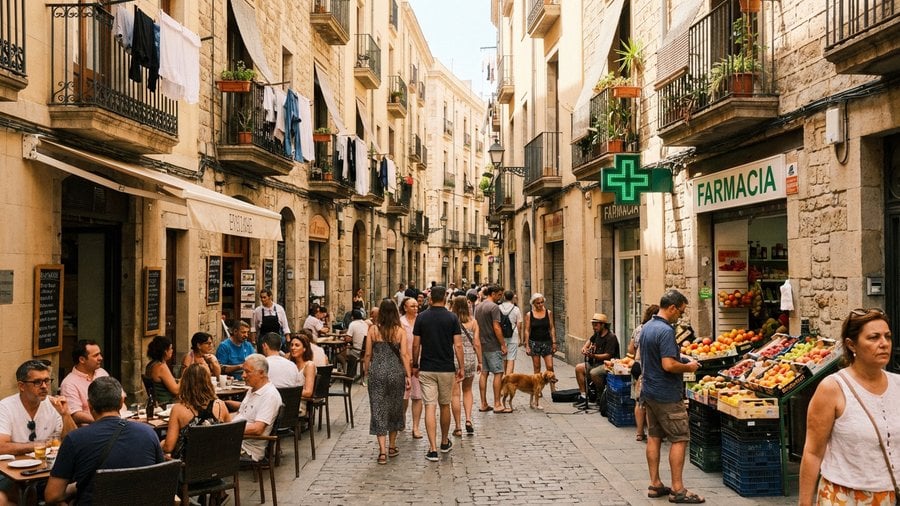
What You May Be Weighing Up
Most Americans considering Málaga aren't stuck on one question — they're managing several at once. Should I rent first or buy? Can I handle this from the U.S., or do I need to be there? How do I choose a neighborhood without living in it first? What about healthcare, banking, mail?
That's a lot of open threads, and it's normal for decision fatigue to set in before you've made a single move. The hesitation isn't a sign you're not ready — it's a sign you're thinking carefully, which is exactly the right instinct.
The most helpful thing you can do at this stage is separate the decisions that need to happen now from the ones that can wait. Denise helps with that. She's worked with plenty of American buyers and understands which questions matter early and which ones resolve themselves later in the process.
If you want to see how other situations compare to yours, the moving to Málaga hub links to guides for different profiles — couples, families, digital nomads, second-home buyers, and more.
How Denise Helps American Buyers
Denise Guerrero relocated to Málaga herself, so she understands what it feels like to arrive from somewhere else and figure things out from scratch. She works with American buyers at every stage.
Clarifying priorities. In your first conversation, Denise helps you sort through what you know and what you're still uncertain about — neighborhoods, budget, timeline, whether this is a full move or a second home. No agenda, just a clear picture of where you stand.
Building a shortlist. Based on what you tell her, Denise puts together a curated selection of properties. Each one comes with context: what the building is like, what the street feels like, and whether the price makes sense for the area. You can also browse listings on your own anytime.
Planning your trip. When you're ready to visit, Denise organizes focused viewing days so your time in Málaga counts. Most buyers find three to five days works well. She'll plan viewings with breathing room so you can absorb each place rather than rushing through a checklist.
Guiding the process. Denise walks you through the buying steps at a high level and connects you with legal and financial professionals who specialize in transactions involving American buyers. You won't be managing every moving part alone.
Neighborhood Fit: Centro vs. Soho vs. Teatinos
Choosing a neighborhood before you've lived in a city feels like guessing. Denise helps take the guesswork out by matching your lifestyle to the areas she knows best.
Centro Histórico is the old city center — narrow streets, historic buildings, and a very walkable daily life. If you're coming from a car-dependent city in the U.S., the shift to walking everywhere can feel like a revelation. It's also the densest and liveliest part of town.
Soho is just south of Centro, with a more relaxed and creative atmosphere. Galleries, independent restaurants, and a mix of long-term residents and newer arrivals. It has a neighborhood feel that a lot of American buyers connect with — more personality, less tourist traffic.
Teatinos is modern and residential. Bigger apartments, newer buildings, and a calmer rhythm. If you're used to suburban space and want something closer to that in Málaga, Teatinos is worth a serious look — especially for families.
La Malagueta is the obvious draw for Americans who want a seafront address without giving up city access. Pedregalejo appeals to buyers who want a beach neighborhood that still feels local, and El Limonar enters the conversation quickly for families or house buyers who want more privacy and school access.
The Centro vs. Soho vs. Teatinos comparison puts the original three side by side so you can narrow your focus before you visit, and Denise often adds La Malagueta, Pedregalejo, or El Limonar once your goals are clearer.
What to Prioritize in a Home
Americans moving to Málaga often have a few specific things on their list that local buyers don't think about as much.
Reliable internet. If you're working remotely — or plan to — connectivity matters. Some older buildings in Centro Histórico have limitations; newer builds in Teatinos and parts of Soho tend to have better infrastructure. In Pedregalejo and El Palo, Denise checks fiber and building-by-building setup carefully rather than assuming the coastal address guarantees the right work-from-home setup.
Natural light and layout. Spanish apartments are built differently than American ones. Interior rooms without windows are more common. Pay attention to orientation, floor level, and how the space feels at different times of day. Denise schedules viewings with this in mind.
Outdoor space. Terraces and balconies aren't standard in every building, but they make a big difference in how an apartment feels. If this matters to you, say so early — it'll shape the shortlist.
Storage and laundry. American-sized closets and in-unit laundry rooms are rare. Most Spanish apartments use compact European appliances. It's a small adjustment, but worth knowing before you fall in love with a floor plan.
Your Next Step
You don't need a detailed plan before you talk to Denise. A short conversation is enough to get oriented, ask your initial questions, and figure out whether Málaga is the right fit — or what you'd need to learn before deciding.
Published by Denise Guerrero
FAQ
Should I rent in Málaga first or go straight to buying?
It depends on your certainty level. If you already know the neighborhood you want and have spent time in Málaga, buying directly can make sense. If you're less sure, renting for a few months gives you a chance to test your assumptions before committing. Denise can talk through the pros and cons based on your situation. The buying guide for Americans covers what the purchase process looks like if you decide to move forward.
Can I buy property in Málaga while still living in the U.S.?
Yes. Many American buyers do most of the early work remotely — shortlisting, asking questions, reviewing options — and then fly out for a focused viewing trip. Denise manages the coordination so you're not juggling everything alone. The moving to Málaga hub has resources for planning the broader transition.
What documents might I need as an American buying in Spain?
At a high level, you'll need a passport, an NIE (a Spanish identification number for foreigners), and potentially proof of funds or a mortgage pre-approval. The specifics depend on your situation. Always verify requirements with a qualified legal professional — Denise can connect you with one who works with American clients.
How do I choose a neighborhood without living there first?
Start with the Centro vs. Soho vs. Teatinos comparison to see how each area fits different lifestyles, then widen the shortlist into La Malagueta, Pedregalejo, or El Limonar if your priorities lean toward beachfront living, a village-by-the-sea feel, or family-oriented house living. Denise also provides neighborhood context during your shortlisting conversations — she'll help match what you're looking for to the areas she knows best.
How do I plan a short viewing trip?
Share your available dates with Denise as early as you can. She'll prepare a curated shortlist and organize viewings so your time in Málaga is focused and productive. Three to five days is usually enough. Browse the listings before your trip to flag anything that catches your eye.
Is Málaga a good fit for remote workers from the U.S.?
Málaga has a growing remote-work community, reliable internet in most areas, and a time zone that overlaps partially with the U.S. East Coast. If you're working remotely, let Denise know — she can prioritize properties with strong connectivity and a layout that supports a home office.
What's the time difference between the U.S. and Málaga?
Málaga is on Central European Time. That puts it six hours ahead of New York and nine hours ahead of Los Angeles during standard time (the gap shifts slightly with daylight saving changes). Denise is used to working across time zones and will find a schedule that works for you.
How does healthcare work for Americans in Spain?
Healthcare is a common concern for Americans moving abroad. Spain has both a public healthcare system and private options. The specifics of what you can access depend on your residency status. For detailed guidance, consult a qualified professional — this is an area where individual circumstances matter a lot.
What if I'm only considering Málaga as a second home, not a full move?
That's a common scenario. The property search and buying process are largely the same — the main differences are in how you'll use the property and some tax and residency considerations. Denise works with plenty of second-home buyers and can tailor her guidance accordingly.
How is the buying process in Spain different from the U.S.?
The structure is different — Spain uses reservation agreements, involves a notary in a more active role, and has its own tax framework. The buying guide for Americans walks through these differences at a practical level so you know what to expect before you start.
Where do I start if I'm still in the early research phase?
Right here. Read through the neighborhood sections above, explore the available listings, and when you're ready, reach out to Denise for a conversation. There's no minimum level of commitment required — she's used to working with people who are still figuring things out.
See which neighborhoods match your situation
The quiz takes your priorities as an American relocating to Spain into account and recommends 2-3 neighborhoods.
Recommended next reads
Málaga City vs Costa del Sol
Should you buy in Málaga city or the Costa del Sol? Honest comparison of lifestyle, prices, community, and investment potential. Expert buyer guide.
Centro vs La Malagueta vs Soho
Choosing between Centro Histórico, La Malagueta, and Soho? Compare lifestyle, prices, walkability, and vibe to find your perfect Málaga neighborhood.
Compare Málaga with other cities
Málaga vs Barcelona
Choosing between Málaga and Barcelona? Honest comparison of property prices, lifestyle, climate, culture, and value for international buyers.
Málaga vs Madrid
Málaga or Madrid? Compare lifestyle, property prices, career opportunities, climate, and culture for international buyers choosing between Spain's capital and its sunniest coastal city.
Málaga vs Lisbon
Choosing between Málaga and Lisbon? Compare property prices, climate, visa options, culture, and lifestyle for international buyers exploring the Iberian Peninsula.
Practical buying process guides
Golden Visa
Spain's Golden Visa through property investment: current requirements, eligible properties, application process, and what's changing. Expert guide for Málaga buyers.
NIE Number Guide
Everything you need to get your NIE in Spain: where to apply, documents required, costs, and timeline. Essential for buying property in Málaga.
Mortgage for Foreigners
Can foreigners get a mortgage in Spain? Yes. Loan-to-value ratios, interest rates, required documents, and which banks to approach. Practical buyer guide.
Daily life in Málaga
Cost of Living
What does it actually cost to live in Málaga? Rent, groceries, dining, transport, healthcare, and more. Honest monthly budget breakdown for expats and relocators.
Healthcare for Expats
How healthcare works in Spain for expats: public system access, private insurance, English-speaking doctors, and what to do in an emergency. Practical guide.
International Schools
Every international school option in Málaga: British, American, German, and IB curriculum. Fees, locations, languages, and which neighborhoods to live in.