
Overview: What Soho Feels Like
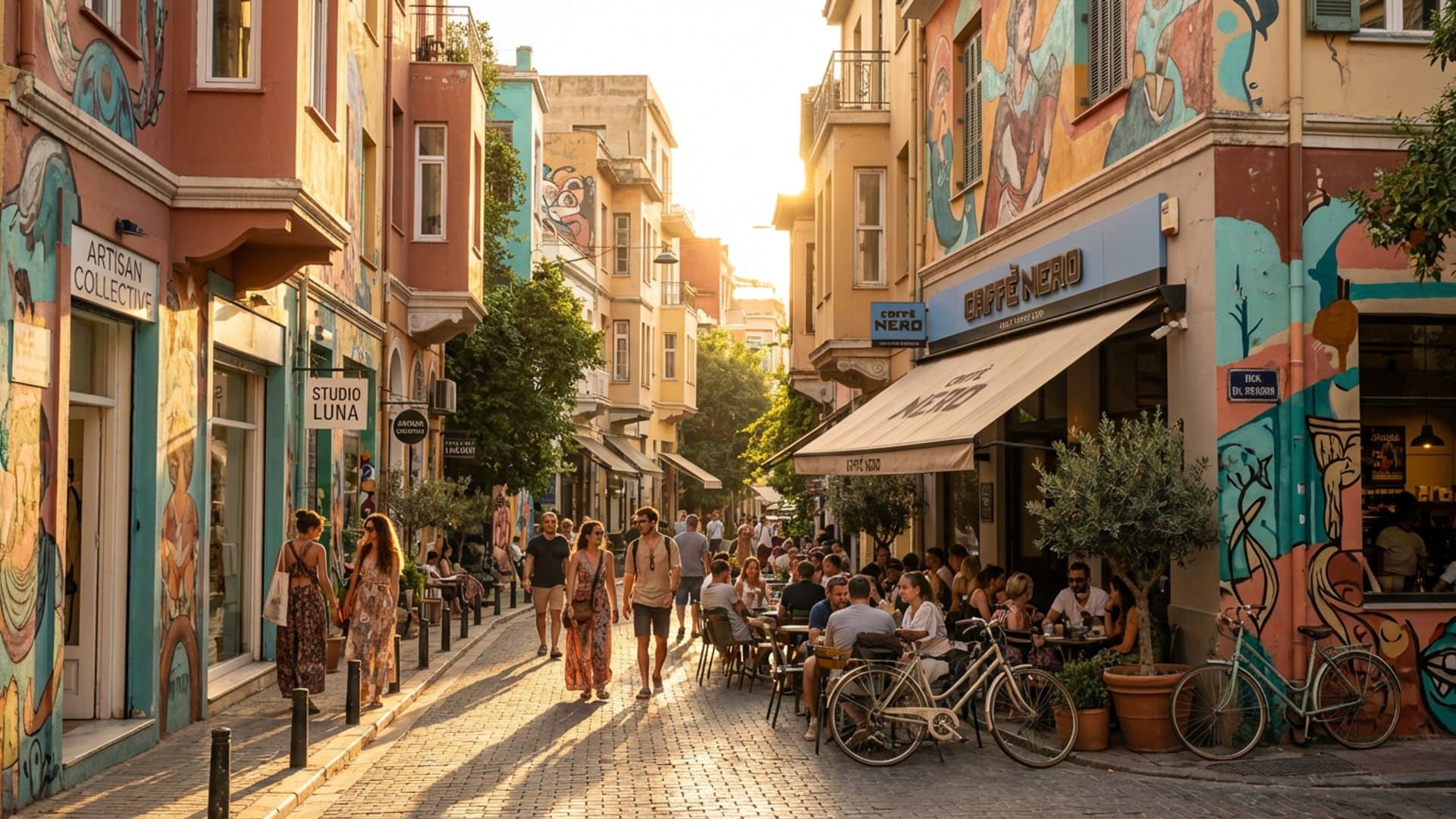
Soho occupies a distinct position in Málaga — geographically and in terms of atmosphere. It sits south of Centro Histórico, between the Alameda Principal and the port area. It's close to the old city without being inside it, which gives it a different energy. The streets are wider, the buildings more varied, and the pace is noticeably calmer.
The neighborhood's creative reputation is grounded in real activity: galleries, independent restaurants, design studios, and street art that's become part of the urban fabric. But Soho isn't trying to perform its creativity. It's a working neighborhood where people live, eat, and go about their daily business — with a layer of artistic character that shows up in the shopfronts and the atmosphere rather than in guided tours.
What draws buyers here is the combination of personality and livability. You get walkability, a real sense of neighborhood, proximity to Centro and the waterfront, and an atmosphere that feels evolved rather than manufactured. It's the kind of place where you recognize the barista, the gallery owner, and the neighbor walking their dog — without the tourist churn of the streets a few blocks north.
It's not the loudest neighborhood in Málaga, and that's part of the appeal.
Who Soho Suits Best
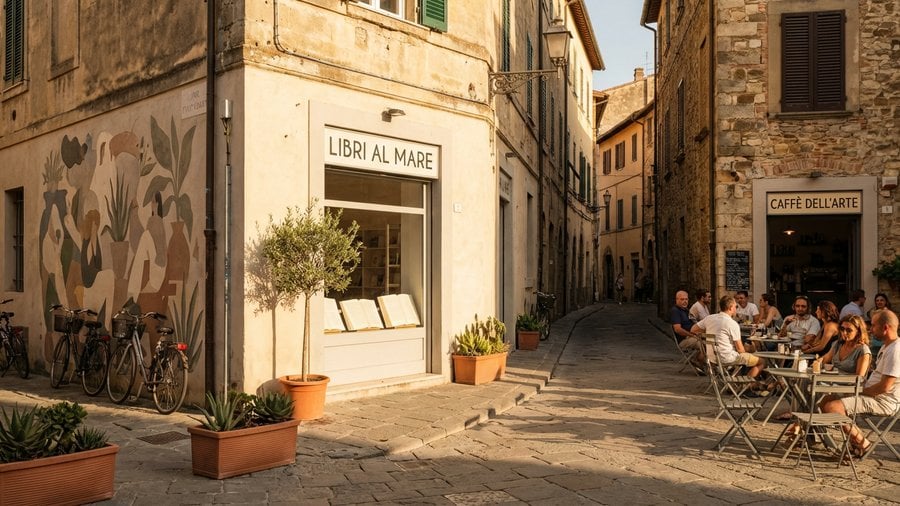
Soho attracts buyers who want a daily life that balances stimulation with calm. That tends to include a few specific profiles.
Remote workers and creative professionals. Soho is arguably the most natural fit in Málaga for people who work from home. The neighborhood is calm enough for focused work, walkable enough for good breaks, and full of the kind of cafés and independent spots that make stepping out for lunch feel like a change of scenery rather than a commute. The digital nomads guide covers what to prioritize in a property when your home is also your office.
Couples. Soho's mix of restaurants, galleries, and neighborhood life makes it appealing for couples who want texture in their daily routine without the volume of Centro Histórico. The apartment stock is generally a step up in size from what you'd find in the old city, which helps when two people share a space.
Solo buyers. For individuals, Soho offers the social accessibility of a neighborhood with life — you'll meet people at the local coffee spot, at gallery openings, in the small restaurants along the side streets — without the intensity of living in the tourist core.
Families, selectively. Soho can work for some families, particularly those with older children who value walkability and cultural proximity. But it's not the first choice for families with young kids who need green space, larger apartments, and school proximity. Most family-focused buyers end up in Teatinos. The neighborhood comparison helps you weigh all three areas.
Remote-Work Fit: What to Know
Soho is one of the stronger neighborhoods in Málaga for remote workers, thanks to a combination of infrastructure and atmosphere.
Noise levels. Soho is noticeably quieter than Centro Histórico, which matters when you're home all day. There's street life, but it's more daytime-oriented and less nightlife-driven. You're unlikely to be kept awake by restaurant noise, though as always, check the specific street and building.
Internet. The mix of older and newer buildings means connectivity varies. Newer construction tends to have reliable fiber infrastructure. In older buildings, it's worth confirming fiber availability and internal wiring. Denise checks this for every property on your shortlist.
Light. Soho's wider streets and more varied building heights mean better light conditions than much of Centro's dense, narrow lanes. South-facing apartments here often get strong afternoon light — a plus for workspace, though you may want blinds. During viewings, Denise schedules visits at times that show you real conditions.
Layout. The property stock in Soho is more varied than Centro, which means you're more likely to find apartments with a dedicated room you can close off as an office. If workspace separation is important, Soho gives you more options at comparable price points.
Coworking proximity. There are coworking spaces in and around Soho, which can serve as a useful backup or a way to separate home and work on days when you need a change. If this matters to you, Denise can factor proximity into your shortlist.
Day-to-Day Rhythm
Soho's daily rhythm is more even-keeled than Centro's. There's no dramatic shift from quiet mornings to loud nights — the energy builds gently and stays pleasant without becoming overwhelming.
Mornings are calm. The neighborhood wakes up with its coffee shops and small breakfast spots. It's a good time to walk, work, or run errands without crowds.
Midday brings more activity — lunch spots fill up, the streets see more foot traffic, and the neighborhood feels alive without being busy. The difference from Centro is palpable: Soho's version of "busy" would count as quiet by old-city standards.
Evenings are where Soho shows its character. Independent restaurants, wine bars, and the occasional gallery event give the neighborhood a relaxed evening atmosphere. It's not a nightlife district — it's a neighborhood where you can have a good dinner and walk home on quiet streets.
The waterfront and port area are within easy walking distance, which adds another layer to daily life. Morning runs along the promenade, weekend walks by the water, or a longer evening stroll toward La Malagueta beach — these become part of your routine rather than a special occasion.
Grocery shopping, pharmacies, and everyday services are all within walking distance. Like Centro, most Soho residents don't need a car for daily life, though having one is easier here than in the old city since some buildings include parking.
Property Types and Feel
Soho's housing stock is more varied than either Centro or Teatinos, which can be an advantage if you know what you're looking for.
Older buildings. Some of Soho's buildings date from the mid-twentieth century — not as old as Centro, but with their own character. You'll find taller ceilings, solid construction, and layouts that sometimes reflect older living patterns (smaller kitchens, interior rooms). Some have been well-maintained; others need updating.
Renovated apartments. There's a meaningful segment of the market in Soho that consists of thoughtfully renovated apartments — spaces where the original bones have been preserved but the interior has been brought up to modern standards. These are often the most sought-after properties in the neighborhood.
Newer construction. Soho has seen new development over the past decade, including some design-led projects that fit the neighborhood's aesthetic. These tend to offer better infrastructure (fiber, insulation, elevators, parking) and contemporary layouts that work well for remote workers and modern living.
Loft-style conversions. Some of Soho's more distinctive properties are loft-style apartments in converted commercial buildings. Higher ceilings, open plans, industrial details — they suit a specific taste but are among the most characterful options in the neighborhood.
Overall, Soho's property market sits between Centro's historic charm and Teatinos' modern uniformity. You get more variety in style, age, and condition, which means more opportunity — but also more need for careful evaluation. Denise helps by filtering for quality and suitability, not just aesthetics.
Micro-Areas to Explore
Soho's relatively compact size means the micro-area differences are subtler than in Centro, but they're still worth paying attention to. These are starting points for your search — Denise can confirm which streets and blocks fit your specific priorities.
CAC area (Centro de Arte Contemporáneo). The area around the contemporary art museum is one of Soho's anchors. It has a concentration of galleries and creative businesses, and the streets nearby tend to have a strong neighborhood feel. Some of the most characterful renovated apartments are in this part of Soho.
Near Calle Casas de Campos. A quieter stretch with a mix of residential buildings. Some newer construction here offers modern amenities in a less-trafficked setting. Good for buyers who want Soho's atmosphere with a slightly lower street-level energy.
Toward the Alameda and river. The northern edge of Soho, bordering the Alameda Principal and the Guadalmedina riverbed, offers wider streets and some interesting older buildings. The feel is more transitional here — between Soho's creative core and the broader city — which can mean more competitive pricing.
Closer to the port. The southern part of Soho, approaching the port area, has seen more recent development. Newer buildings with modern finishes and proximity to the waterfront make this section appealing for buyers who want both Soho character and contemporary infrastructure.
As with Centro, these are conversation starters. Soho's character can shift from one block to the next, and the best way to find the right spot is with someone who knows the specifics. Denise walks these streets regularly and can point you toward the micro-areas that match your criteria.
How to View Homes in Soho Efficiently
Walk the neighborhood at different times. Soho shows its best self in the late morning and early evening. Spend a few hours walking before your first viewing so you understand the pace and feel.
Compare old and new. If your shortlist includes both older renovated properties and newer builds, view them on the same day. The contrast helps you understand what you're really drawn to — character and atmosphere versus modern convenience — and sharpens your criteria.
Check the transition zones. Properties on the edges of Soho — toward Centro, toward the port, toward the Alameda — can feel different from the heart of the neighborhood. Make sure you're comfortable with the specific surroundings, not just the Soho label.
Test the light. Soho's wider streets generally mean better light, but building orientation matters. Visit at a time when you'd normally be working or relaxing to see how the apartment lives in real conditions.
Listen. Soho is quieter than Centro, but pockets near restaurants or bars may have evening noise. If you're comparing apartments, note the sound levels at each one. Denise schedules viewings to help you experience this firsthand.
Featured Listings and Collections
For Soho, the most relevant curated collection is the design-led lofts in Soho — properties selected for their architectural character, layout quality, and fit with the neighborhood's creative identity.
You can also browse all available listings to see the full range across Soho and the rest of Málaga.
If you own a property in Soho and are considering selling, Denise works with sellers in this neighborhood too. Learn more about selling in Soho.
Next step
Tell her what you're looking for in Soho. She'll build a shortlist around it.
Available properties in Soho
If this neighborhood is on your shortlist, this is the public sample of active homes Denise believes are worth visiting.
Related comparison guides
How buying here works
Mortgage for Foreigners
Can foreigners get a mortgage in Spain? Yes. Loan-to-value ratios, interest rates, required documents, and which banks to approach. Practical buyer guide.
Community Fees Explained
What are community fees in Spain? How much they cost, what they cover, how they work, and what to check before buying an apartment. Practical owner's guide.
Property types that fit here
Daily-life guides for this neighborhood
Coworking & Remote Work
The best coworking spaces in Málaga for digital nomads and remote workers. Locations, prices, vibes, and which neighborhoods work best for working remotely.
Food & Dining
Málaga's food scene beyond the guidebooks: daily dining, markets, chiringuitos, supermarkets, and what it's really like to eat here every day as a resident.
Published by Denise Guerrero
FAQ
How does Soho compare to Centro Histórico?
Centro is busier, more historic, and more touristic. Soho is calmer, more creative, and slightly more residential in feel. Both are walkable, but the energy is different — Centro is always on; Soho has a more even rhythm. The neighborhood comparison breaks down the differences in detail.
Is Soho good for remote workers?
It's one of the strongest neighborhoods in Málaga for working from home. Quieter than Centro, better light conditions, and a property stock that's more likely to include a room you can use as a dedicated office. The digital nomads guide covers what to prioritize in a home when you work remotely.
What kind of properties are available in Soho?
A mix — from older apartments in mid-century buildings to renovated lofts to newer construction. This variety is one of Soho's strengths, but it also means each property needs individual evaluation. The design-led lofts collection features some of the most characterful options.
Is Soho walkable?
Very. Everyday necessities — groceries, cafés, restaurants, pharmacies — are all within a few minutes' walk. Centro Histórico is immediately north, the waterfront is immediately south, and the city's main transport connections are close. Most residents don't need a car for daily life.
How noisy is Soho compared to Centro?
Noticeably quieter. The nightlife presence is much lower, and the streets are wider and less dense. There are still restaurants and bars, but the volume is more contained. Evenings feel relaxed rather than intense. Specific noise levels depend on the exact street and building.
Are there properties with parking in Soho?
More so than in Centro. Some newer buildings in Soho include underground parking, and the wider streets make nearby garage access easier. If parking is a priority, it's worth flagging early — Denise can filter for buildings that include it.
What should I check during a viewing in Soho?
Building condition, renovation quality (especially in older buildings), noise at different times, natural light, and internet connectivity. Also pay attention to the community of owners — some buildings are well-managed, others less so. Denise investigates these details for every property on your shortlist.
Can families live in Soho?
Some can, particularly families with older children. The walkability and cultural proximity are appealing, and some properties have enough space. But for families with young kids who need green space, larger layouts, and school proximity, Teatinos is usually a better fit. The neighborhood comparison is useful for weighing the options.
Is Soho a good area for investment?
Soho has seen consistent interest from buyers over the past decade, and its creative identity gives it a distinctive position in the market. But "good investment" depends on your specific goals. Discuss your objectives with Denise and consult a qualified financial professional for investment-specific advice.
How do I start looking at properties in Soho?
Start with a conversation with Denise. Share your priorities — lifestyle, budget, work needs — and she'll build a Soho-focused shortlist. You can also browse the listings on your own to get familiar with what's available before your first call.
Are there coworking spaces near Soho?
Yes — several coworking options exist in and around Soho and the adjacent part of Centro. Having one nearby can be a useful complement to working from home, especially on days when you want a change of setting. If proximity matters, Denise can include it as a factor when building your shortlist.
What's the waterfront access like from Soho?
Excellent. The port and promenade are a short walk south, and La Malagueta beach isn't much further. This proximity is one of Soho's underrated advantages — you can take a morning walk or run along the water and be back home in minutes. It adds a dimension to daily life that Centro's inland position doesn't offer.
Not sure Soho, Málaga — A Neighborhood Guide for Buyers is the right fit?
See which neighborhoods match your lifestyle, budget, and priorities — it takes 2 minutes.
Sell in Soho to international buyers
Request a confidential valuation with a launch strategy focused on expat and remote professional demand.