
Why Expats and Remote Professionals Buy in Málaga
The reasons people move to Málaga from abroad are practical as much as aspirational. The climate matters, but so does the cost of living relative to London, Amsterdam, or San Francisco. The time zone works for European business hours and overlaps reasonably with the U.S. East Coast. The city is compact and walkable, with good international connections via its airport. The healthcare system is accessible. The food is exceptional. The pace of life feels sustainable rather than exhausting.
These aren't holiday buyers. They're people making a considered decision to build a life in Málaga — often working remotely, often with specific requirements for their home. They buy with a plan, and they research carefully before committing.
What this means for you as a seller: your property isn't competing only with other Málaga listings. It's being compared to the buyer's current city, their rental, their expectations of what daily life should look like. The digital nomads guide covers how remote professionals think about this transition — understanding their perspective is the first step to positioning your property effectively.
What These Buyers Look For in a Home
International buyers — whether they're relocating permanently, spending half the year in Málaga, or buying a base for remote work — share a set of common priorities that often differ from local buyer expectations.
Turnkey condition. Most international buyers want to move in without a renovation project. They're not buying potential — they're buying a finished home. Modern finishes, functional infrastructure, and a building in good condition matter more than square meters or prestige addresses.
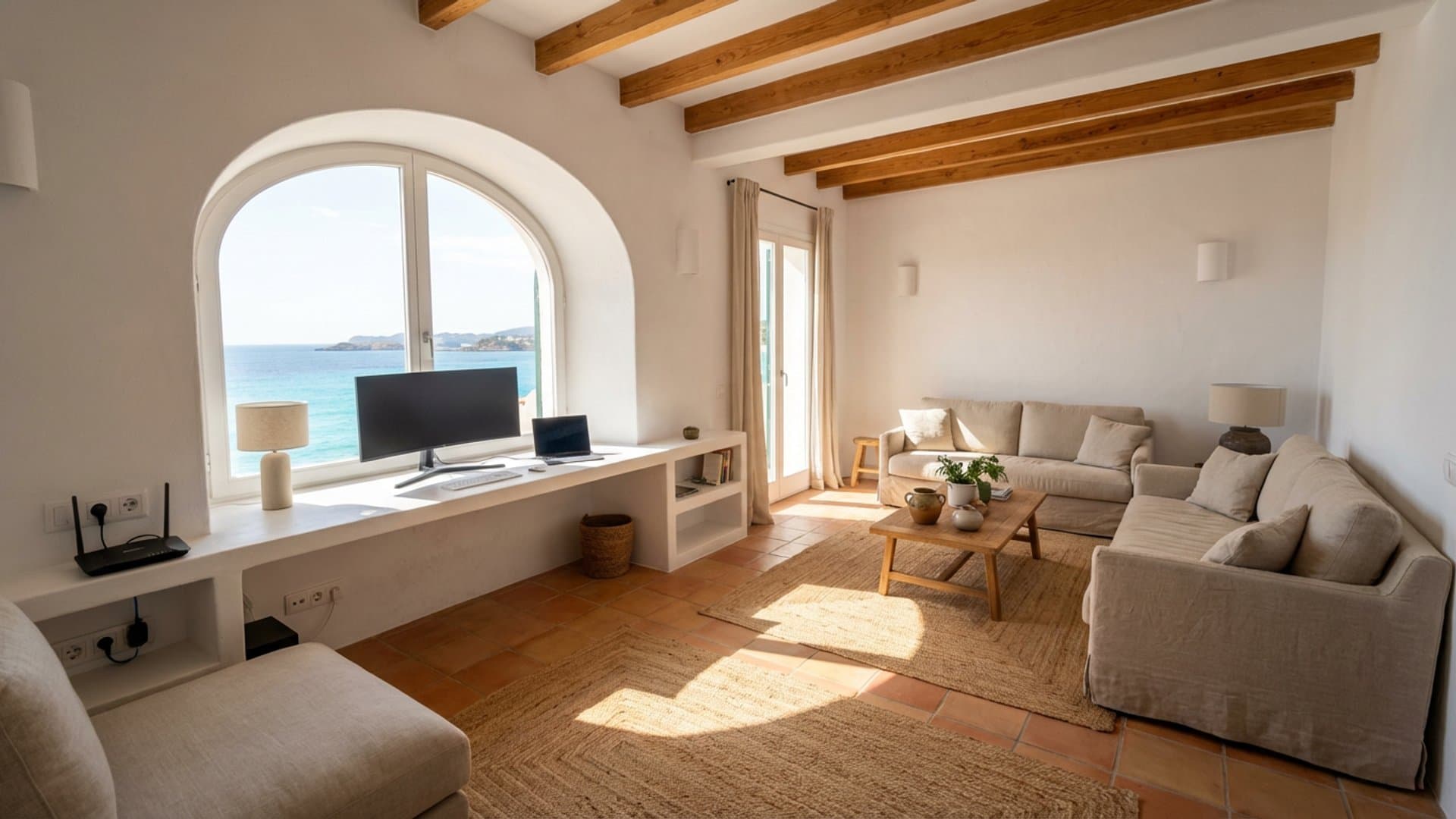
A workspace that functions. Remote professionals need a dedicated workspace or a layout that credibly accommodates one. A second bedroom that works as an office, natural light at the desk, a door that closes — these aren't luxuries for someone whose income depends on working from home.
Walkable daily life. International buyers rarely arrive with a car. They want to walk to cafés, groceries, the gym, the waterfront. Neighborhoods like Centro Histórico, Soho, and Teatinos each offer this in different ways, and the match between buyer and neighborhood is specific, not generic.
A sense of the community. Well-managed buildings with an active community of owners, a reasonable mix of owner-occupiers, and no surprises in the communal finances. International buyers who've done their research ask about derrama, community meeting minutes, and building maintenance history.
Clarity on process. Buyers coming from the U.S., UK, or northern Europe are accustomed to different transaction models. They want to know the process is handled properly, that the legal status is clean, and that their questions will be answered clearly. The selling to U.S. buyers guide covers how American expectations specifically affect how a property should be presented.
Turnkey Positioning: How to Make the Property Feel "Ready"
Turnkey doesn't mean luxury. It means the buyer can move in, set up, and start their life without delays or uncertainty.
If your property is already in good condition, the positioning work is about presentation — making sure the listing communicates readiness clearly. If there are gaps, small interventions can make a disproportionate difference.
Condition basics. Everything works: plumbing, electrical, climate control, appliances. No visible deferred maintenance — peeling paint, stained ceilings, broken fixtures. These details register immediately with international buyers who are comparing your property to others across the city.
Kitchen and bathroom. They don't need to be designer-grade, but they should feel current. Dated kitchens and bathrooms are the most common reason international buyers pass on otherwise suitable properties.
Internet infrastructure. Fibre broadband confirmed or easily installable. For remote professionals, this is a dealbreaker, not a nice-to-have. If fibre is active, say so explicitly in the listing. If it's available in the building but not yet installed, note that too.
Climate control. Functioning air conditioning and adequate heating. Málaga's summers are hot; international buyers working from home all day need confidence that the apartment is comfortable year-round.
Declutter and depersonalize. A clean, uncluttered space photographs better and feels more inviting. The goal isn't staging perfection — it's removing distractions so the buyer can see themselves in the space.
Denise assesses these factors as part of the valuation process and recommends specific preparation steps — always proportional to the property's value and the likely buyer profile.
Remote-Work Positioning: Layout, Light, Quiet, and Terraces
For buyers whose income depends on working from home, the apartment is evaluated through a functional lens that most sellers don't instinctively consider.
Layout. Does the apartment offer a room that works as an office? A second bedroom with a window and a door that closes is the baseline. Open-plan studios or layouts where the only workspace is a corner of the living room are harder to position for remote professionals — though not impossible if the space is generous and well-configured.
Natural light. Remote workers spend more daylight hours at home than most residents. Orientation matters: south and east-facing apartments get the best morning and midday light. A workspace with natural light isn't just pleasant — it affects energy and focus. If your property has good light, the photography and description should lead with it.
Quiet. Centro has lively streets. Soho has mixed-use energy. Teatinos is consistently calm. Within each neighborhood, noise varies by street, floor, and building construction. If your property is on a quieter street or a higher floor, that's a selling point — and Denise frames it specifically rather than generically. The selling guides for Centro, Soho, and Teatinos cover how noise dynamics affect positioning in each area.
Outdoor space. A terrace, a balcony, or even a rooftop with shared access is highly valued by remote workers and expats. It extends the living space and offers a break from the screen. If your property has outdoor space, the positioning should make it visible from the first image.
These are not cosmetic selling points. They're functional criteria that remote professionals evaluate carefully — and presenting your property through this lens connects with buyers who are genuinely ready to purchase.
Reaching International Buyers: What Multilingual Demand Capture Means in Practice
"International reach" is a phrase every agent uses. What matters is what it means in practice.
For a seller, it means your property is presented in a way that international buyers can engage with — clearly, without friction, and with the responsiveness that serious buyers expect.
Listing clarity. The property description is written for someone who doesn't know Málaga intimately. It explains the neighborhood, the daily rhythm, the walk to the waterfront — not just the square meters and the year of construction. International buyers make shortlists from abroad; the listing needs to work as a standalone document.
Responsiveness. International buyers often work across time zones and expect prompt, clear communication. Denise manages inquiries directly and responds in a timeframe that matches the buyer's expectations — not the local standard.
Documentation readiness. International buyers — and their lawyers — want access to the nota simple, energy certificate, community-of-owners minutes, and IBI receipts early in the process. Having these ready signals professionalism and accelerates the timeline. Denise advises sellers on what to prepare before going to market.
Cultural literacy. A buyer from the U.S. expects a different transaction model than one from Germany or the UK. Denise understands these expectations and helps sellers anticipate the questions and concerns that different buyer profiles bring. The seller hub provides broader context on how the selling process works.
Buyer Qualification and Discretion
Not every international inquiry represents a serious buyer. Protecting your time and privacy requires qualification before access.
Financial qualification. Denise confirms that a buyer has the financial capacity to proceed before arranging a viewing — whether they're financing through a Spanish bank, paying cash, or using assets in their home country.
Timeline and intent. Is the buyer planning to purchase within weeks, months, or "eventually"? Denise asks directly, so your property is shown to people who are genuinely in a position to act.
Accompanied viewings only. No unaccompanied visits. Denise is present at every viewing, manages the conversation, answers questions, and controls the experience. This protects your privacy and ensures the property is presented consistently with its positioning.
Discretion as standard. If you prefer not to list publicly, Denise can present the property within her existing buyer network before — or instead of — a public launch. Privacy-first sellers are not unusual in this segment.
Feedback after every viewing. You'll know what the buyer thought, what they responded to, and where they had concerns. This information feeds back into the positioning — and helps Denise adjust the approach if needed.
Your Next Step
If your property could appeal to international buyers — expats, remote professionals, or second-home buyers — the first step is understanding how it should be positioned.
Request a confidential valuation and Denise will assess your property's strengths through the lens of international demand — pricing, positioning, and a structured plan to bring it to market.
Or, if you prefer to start with a conversation, book a selling strategy call. There's no commitment either way.
Published by Denise Guerrero
FAQ
What does "turnkey" mean to international buyers in practice?
It means they can move in, furnish, and start their life without renovation or major fixes. Functional infrastructure (internet, climate control, plumbing), current finishes, and a well-managed building are the minimum. The valuation process includes an honest assessment of whether your property meets this standard and what, if anything, would strengthen its position.
Which property features matter most to remote professionals?
A dedicated workspace or a second room that works as an office, confirmed fibre internet, good natural light, adequate sound insulation, and functional climate control. These are practical requirements, not preferences. The digital nomads guide covers how remote workers evaluate properties in Málaga.
Should I furnish the home before listing?
Not necessarily. Most international buyers prefer to choose their own furniture. What matters more is that the space is clean, decluttered, and photographed in a way that shows how rooms function — especially the workspace. Denise advises on this as part of the valuation.
How do you present a home for buyers who haven't visited Málaga yet?
Through listing descriptions that explain the neighborhood and daily life — not just the apartment. Professional photography that shows light, layout, and context. And responsive communication that answers questions a buyer researching from abroad would have. Most international buyers shortlist remotely before visiting; the listing needs to do the work of a first impression.
How do you handle multilingual communication and expectations?
Denise works with international buyers from across Europe, the U.S., and beyond, and understands the different transaction expectations each brings. Communication is clear, prompt, and adapted to the buyer's context. The seller hub covers the broader process.
What's the difference between selling to expats and selling locally?
International buyers typically prioritize turnkey condition, workspace, and lifestyle fit over price per square meter. They research more extensively before visiting, expect faster communication, and ask different questions — about internet infrastructure, building management, and neighborhood rhythm. Denise adjusts the positioning accordingly.
How do you help a listing stand out without being flashy?
Through specificity. Rather than generic descriptions, Denise writes listings that explain what the property offers in daily life — the morning light, the walk to the market, the quiet of the street. Photography is planned around the property's actual strengths. The tone is calm and credible, which resonates more with serious buyers than superlatives. The selling in Soho guide shows how this works in a neighborhood with strong visual identity.
How do you qualify buyers before viewings?
Denise confirms financial capacity, timeline, and genuine intent before scheduling any viewing. This means your property is only shown to buyers who are in a realistic position to purchase. Viewings are accompanied, structured, and followed up with direct feedback.
Can you market a property discreetly?
Yes. Denise can present the property to qualified buyers within her network before — or instead of — a public listing. This suits sellers who value privacy or want to test demand before committing to a full launch. Contact Denise to discuss whether this approach fits your situation.
Do Centro, Soho, and Teatinos attract different international buyers?
Yes. Centro Histórico appeals to buyers who want cultural density and walkability. Soho attracts design-conscious buyers and remote professionals drawn to its creative character. Teatinos suits families and buyers who prioritize space and quiet. Each neighborhood is positioned differently depending on the buyer it's most likely to reach.
What should I prepare before requesting a valuation?
Basic property information — location, size, number of rooms, condition, and any recent renovations. Photos are helpful. Documents like the nota simple, energy certificate, and community-of-owners minutes aren't required to start but are useful for a more detailed assessment. Request a valuation to begin.
What's the best next step if I want to sell within the next three to six months?
Start with a valuation. The earlier you begin, the more time you have to prepare the property, gather documentation, and align on pricing and positioning — without rushing. Denise often works with sellers months before going to market. Alternatively, book a strategy call if you'd prefer to start with a conversation.