
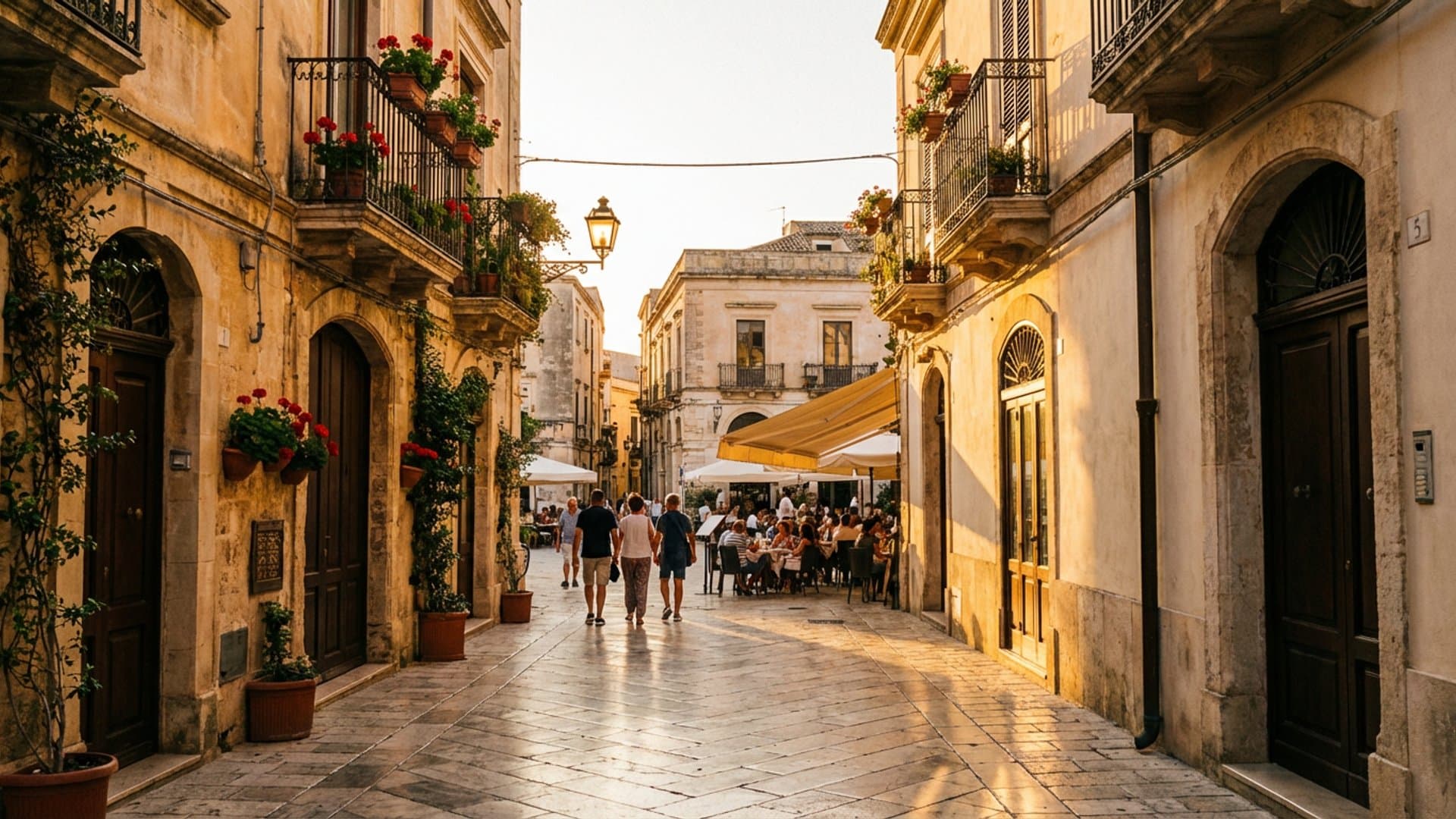
Overview: What Centro Histórico Feels Like
Centro Histórico is not a museum district you visit on holiday and leave behind. People live here — in apartments above cafés, behind wooden shutters on narrow lanes, in buildings that have been standing for centuries. The neighborhood has layers: touristic streets that hum with foot traffic, and quieter residential pockets a turn or two away where the pace drops noticeably.
What makes it compelling as a place to buy is density of life. Markets, restaurants, cultural institutions, pharmacies, bakeries — they're all within a few minutes' walk. You don't drive to run errands; you walk downstairs and turn left. For buyers who've lived in city centers elsewhere in Europe or the U.S., Centro Histórico will feel familiar in its bones, with an Andalusian personality layered on top.
It's not for everyone. The buildings are old. The streets can be noisy. Parking is limited to nonexistent. But for the right buyer, those tradeoffs are part of the appeal — the price of living somewhere with genuine character rather than designed convenience.
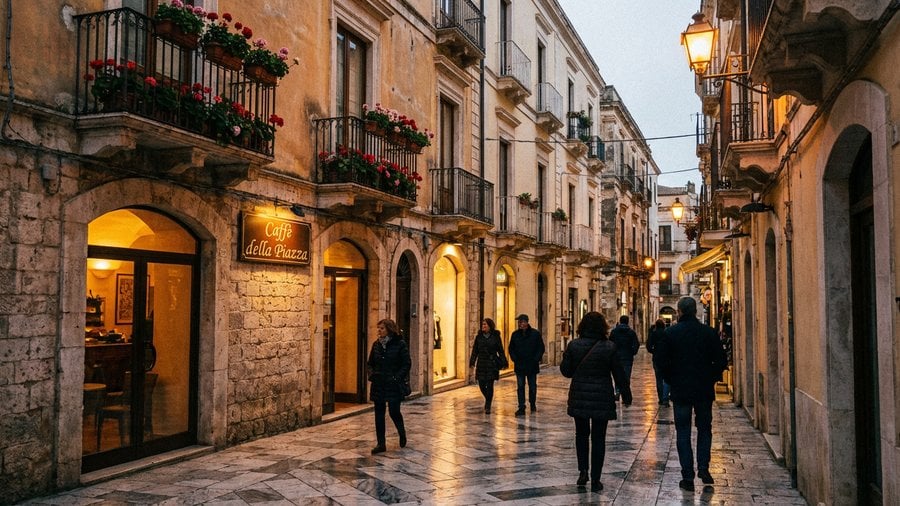
Who Centro Histórico Suits Best
Centro Histórico tends to attract a specific kind of buyer. Not because it's exclusive, but because the lifestyle it offers fits certain priorities better than others.
Remote workers and digital nomads. If your office is your apartment, Centro puts everything else — coffee, lunch, evening plans — at your doorstep. The walkable daily rhythm means you can step out for a break and be back at your desk in minutes. The digital nomads guide covers what to look for in a property when you work from home.
Couples without young children. Centro's energy and proximity to culture, dining, and nightlife make it ideal for couples who want a daily life with texture and spontaneity. The tradeoff is space — apartments here are generally smaller than in newer neighborhoods.
Solo buyers. For individuals, Centro is often the first neighborhood that feels right. The street life and social accessibility matter more when you're living on your own, and the apartment sizes work well for one person.
Local and returning Spanish buyers. Málagueños who want to live in the center of their own city, or Spanish buyers from other regions drawn to the historic core, are a significant part of the market here.
Families with young children can live in Centro — some do — but the practical realities (smaller apartments, limited green space, no guaranteed elevator) mean most families gravitate toward Teatinos. The neighborhood comparison puts the options side by side if you're weighing Centro against other areas.
Remote-Work Fit: What to Know
Centro Histórico can work well for remote professionals, but it requires more due diligence than a newer neighborhood where infrastructure is standardized.
Internet. Fiber is available in much of Centro, but availability varies building by building. Older construction doesn't always have the internal wiring needed for high-speed connections. Denise checks connectivity for each property she recommends, but verify it yourself during viewings too.
Noise. This is the biggest variable. Some streets are genuinely quiet — interior courtyards, pedestrian lanes away from the main restaurant strips. Others are loud until late, especially on weekends. If you're on calls during the day or need focused quiet, street choice matters as much as the apartment itself.
Light. Historic buildings can have deep floor plans with interior rooms that get limited natural light. South- and west-facing apartments tend to be brighter. If light matters for your workday, pay attention to orientation during viewings — Denise schedules visits at times that show you real conditions.
Layout. Not every Centro apartment has a room you can close off as an office. Some have been renovated with open-plan layouts that look great but don't give you separation from the living space. If dedicated workspace is a priority, say so early — it meaningfully narrows the shortlist.
None of this is disqualifying. Plenty of remote workers live and work happily in Centro. But you need to choose the right building and the right apartment — not just the right neighborhood.
Day-to-Day Rhythm
Living in Centro Histórico means living at the pace of the street. That's not a cliché — it's a practical description of how the neighborhood works.
Mornings tend to be calm. Shops open gradually, the market at Atarazanas comes to life, and the streets fill slowly. It's a good time to work, run errands, or walk without dodging crowds.
By midday, the energy shifts. Restaurants open for lunch, the main pedestrian streets like Calle Larios and the surrounding lanes get busier, and the neighborhood feels fully awake. If you're working from home, this is when having an interior-facing apartment or a quiet street pays off.
Evenings are when Centro is at its most alive. Restaurants, bars, cultural events — the neighborhood has a rhythm that builds through the evening and stays active late, particularly on weekends. Some buyers love this. Others find it tiring after the novelty fades. Be honest with yourself about which side you're on.
Walkability is the defining feature. You can reach almost anything you need daily — groceries, coffee, a pharmacy, a gym — without a car. Most Centro residents don't own one, and those who do use it for trips out of the city rather than daily errands.
Property Types and Feel
The housing stock in Centro Histórico is distinct from what you'll find in newer neighborhoods.
Most properties are apartments in older buildings — some dating back centuries, many renovated to varying degrees. You'll see thick stone walls, high ceilings, wooden beams, tiled floors, and interior patios. The character is real and hard to replicate.
Renovated apartments range from minimal updates (functional kitchen, refreshed bathroom) to full-scale transformations with modern finishes inside a historic shell. The quality of renovation varies significantly, so look past the listing photos and pay attention to the details during viewings — plumbing, electrical, insulation, and window quality matter more than aesthetics.
Unrenovated apartments exist too, usually at lower price points. They offer an opportunity if you're willing to manage a renovation, but doing that from another country adds complexity. Be realistic about your appetite for the process.
Elevators are not guaranteed, especially in buildings with fewer than four or five stories. Ground-floor and first-floor apartments are popular for this reason, but they can be noisier and darker.
Building communities vary. Some are well-managed with active owners' associations. Others are less organized. Denise investigates these details for every property she recommends — it's one of the less glamorous but most important parts of buying in Centro.
Micro-Areas and Streets to Explore
Centro Histórico isn't one neighborhood — it's a patchwork of micro-areas with different characters. Here are a few zones worth paying attention to as a starting point. These are general orientations, not definitive recommendations — the right spot depends on your priorities, and Denise can help you confirm what works once you've narrowed your criteria.
Around Plaza de la Merced. One of Centro's residential anchors. A mix of local life and some tourist presence, but with a genuine neighborhood feel. Properties here tend to be in the mid-range for Centro. Worth exploring if you want to be central without being on a main commercial street.
Between Calle Álamos and the Thyssen Museum. A quieter pocket that retains residential character. Some well-maintained older buildings with renovation potential or already-renovated apartments. Less foot traffic than the areas closer to Calle Larios.
Near the Cathedral and Calle San Agustín. Architecturally striking, with some of Centro's most characterful buildings. Can be busier with daytime visitors, but the residential streets just off the main routes are calmer than they look.
Calle Granada corridor. A mix of commercial and residential, with access to some of Centro's cultural landmarks. The side streets tend to be quieter and can offer good value relative to the main pedestrian arteries.
These are conversation starters, not conclusions. Centro's character can change meaningfully from one block to the next, and the best way to understand it is with someone who walks these streets regularly. Denise can confirm which micro-areas fit your specific criteria when you're ready to look.
How to View Homes in Centro Efficiently
Viewing properties in Centro Histórico benefits from a focused approach.
Walk the neighborhood first. Before your first viewing, spend a few hours walking Centro at different times of day. Get a feel for the streets, the noise levels, the light, and the pace. This gives you context that makes individual viewings much more useful.
Group viewings by micro-area. Denise organizes viewings so you're seeing properties in the same area back to back, rather than zigzagging across the neighborhood. This lets you compare directly and spend less time in transit.
Visit at different times. A street that's quiet at 10 a.m. may sound very different at 10 p.m. If noise is a concern, ask Denise to schedule at least one viewing during the evening or on a weekend afternoon so you can hear the real conditions.
Look up. Centro's apartments often have features you won't notice from the street — rooftop terraces, interior balconies, courtyard views. During viewings, pay attention to what's above and behind the front door.
Bring your work setup in mind. If you work remotely, mentally place your desk in every apartment you see. Where would you sit? How's the light at that spot? Can you close a door? These questions are easy to forget in the moment but important afterward.
Featured Listings and Collections
Denise maintains curated collections that group properties by buyer need. For Centro Histórico, the most relevant is the turnkey apartments for remote professionals — properties selected for connectivity, light, layout, and move-in readiness.
You can also browse all available listings to see the full range of what's on the market in Centro and across Málaga.
If you own a property in Centro Histórico and are considering selling, Denise also works with sellers in this neighborhood. Learn more about selling in Centro Histórico.
Next step
Tell her what you're looking for in Centro Histórico. She'll build a shortlist around it.
Available properties in Centro Historico
If this neighborhood is on your shortlist, this is the public sample of active homes Denise believes are worth visiting.
Centro Histórico
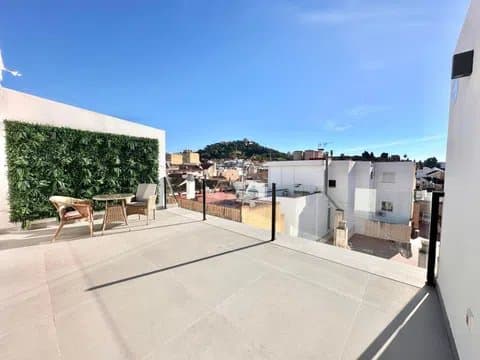
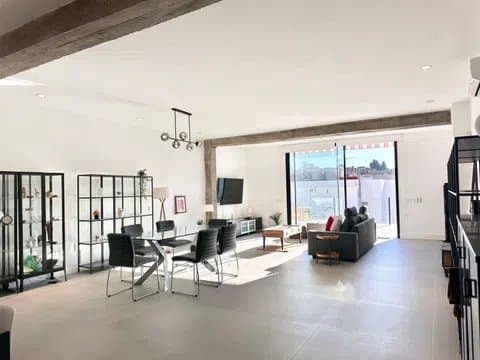
Historic Townhouse in Centro with Plaza Views
234 m² · 3 bed · 2 bath
1.500.000 €
Denise’s take
“Corner townhouse overlooking plaza with church views”
Centro Histórico
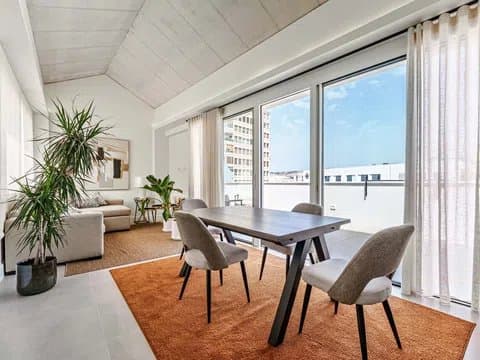
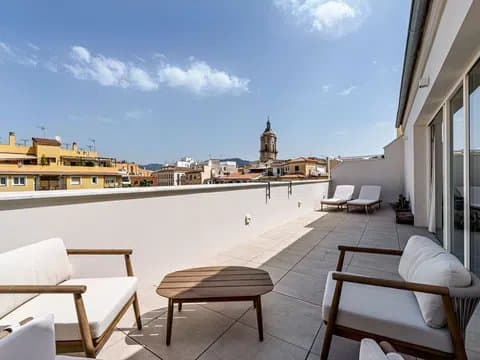
Penthouse on Calle Granados with wraparound terrace
200 m² · 3 bed · 4 bath
1.250.000 €
Denise’s take
“200m² penthouse with sunset views steps from Cathedral”
Centro Histórico
Ático en calle Moreno Carbonero
122 m² · 1 bed · 1 bath
890.000 €
Denise’s take
“New build penthouse with 52m² of terraces in Centro Histórico”
Related comparison guides
How buying here works
The Notary & Escritura Process
What happens at the notary when buying property in Spain? The escritura process explained step by step: what to expect, what to bring, and what to check.
Community Fees Explained
What are community fees in Spain? How much they cost, what they cover, how they work, and what to check before buying an apartment. Practical owner's guide.
Renovation & Reform Guide
Planning to renovate an apartment or villa in Málaga? Permits, costs per m², timelines, building rules, and how to find reliable contractors. Complete guide.
Daily-life guides for this neighborhood
Food & Dining
Málaga's food scene beyond the guidebooks: daily dining, markets, chiringuitos, supermarkets, and what it's really like to eat here every day as a resident.
Getting Around
Do you need a car in Málaga? Buses, metro, tram, cycling, walking, and driving — honest transport guide for each neighborhood. Everything relocators need to know.
Coworking & Remote Work
The best coworking spaces in Málaga for digital nomads and remote workers. Locations, prices, vibes, and which neighborhoods work best for working remotely.
Published by Denise Guerrero
FAQ
Is Centro Histórico a good place to buy, or mainly for tourists?
It's both — and that's actually what makes it work. The tourist presence supports the restaurants, shops, and cultural life that make Centro livable. But the residential streets a block or two off the main arteries are where people actually live, and they're quieter than you'd expect. Buying here means living in a neighborhood with genuine daily life, not just visiting one.
How do apartments in Centro compare to newer neighborhoods?
They're older, smaller, and more variable in condition — but they have character that newer buildings can't match. Thick walls, high ceilings, tiled floors, interior patios. The tradeoff is that you need to check each property carefully for things like elevator access, insulation, plumbing, and electrical updates. The neighborhood comparison puts Centro alongside Soho and Teatinos if you're weighing options.
Is Centro Histórico good for remote work?
It can be — but you need the right apartment. Fiber internet is widely available, though building-level access varies. Noise is the main variable: choose a quiet street or interior-facing unit, and make sure you have a room you can close off. The digital nomads guide covers what remote workers should prioritize in a property.
How noisy is it, really?
It depends entirely on where in Centro you are. Main pedestrian streets and restaurant zones can be loud, especially on weekend evenings. Interior courtyards, upper floors, and streets away from the nightlife core are significantly calmer. Denise knows which streets are noisier than they appear and schedules viewings accordingly.
Can families live in Centro Histórico?
Some do, particularly families with older children who value walkability and cultural access. But for families with young kids, the practical limitations — smaller apartments, limited green space, inconsistent elevator access — mean most gravitate toward Teatinos. It depends on your family's priorities.
What should I check during a viewing in Centro?
Beyond the apartment itself: elevator (or lack of), building condition, noise levels at different times of day, internet connectivity, natural light, and the community of owners. Denise investigates most of these in advance, but experiencing them firsthand during a viewing confirms what the listing can't show you.
Are there properties with outdoor space in Centro?
Some apartments have balconies, small terraces, or access to rooftop areas. They're less common than in newer neighborhoods and tend to command a premium. If outdoor space is important to you, tell Denise early — it significantly narrows the options, but the properties that have it are often worth prioritizing.
How much renovation should I expect?
It varies widely. Some apartments are fully renovated and move-in ready. Others haven't been updated in decades. The turnkey collection in Centro features properties that are already finished and ready to use. If you're open to renovation, Denise can flag properties with potential — but be realistic about managing a project from abroad.
What's parking like in Centro?
Limited. Most Centro buildings don't have private garages. Street parking is restricted, and many residents don't own a car. If you need parking, it's an important filter to apply early — Denise can identify the rare buildings that include it or suggest nearby garage options.
How do I start looking at properties in Centro Histórico?
Start with a conversation with Denise. Tell her what you're looking for — lifestyle, budget, remote-work needs — and she'll build a shortlist of Centro properties that match. You can also browse the listings on your own to get a feel for what's available before your first call.
Is Centro a good investment?
Centro Histórico is a desirable area with consistent buyer interest, which generally supports property values. But "investment" depends on your specific goals — primary residence, rental income, long-term appreciation — and each has different considerations. Discuss your objectives with Denise and consult a qualified financial professional for investment-specific advice.
How does Centro compare to Soho?
Centro is busier, more historic, and more central. Soho is calmer, more creative, and slightly newer in feel. Both are walkable and full of life, but the energy is different. Many buyers visit both before deciding. The neighborhood comparison breaks down the differences in detail.
Not sure Centro Histórico, Málaga — A Neighborhood Guide for Buyers is the right fit?
See which neighborhoods match your lifestyle, budget, and priorities — it takes 2 minutes.
Sell in Centro Historico to international buyers
Request a confidential valuation with a launch strategy focused on expat and remote professional demand.